Why a New Construction Home Inspection Matters
Many buyers assume that because a home is brand new, a new construction home inspection is unnecessary. After all, the home has just been constructed, trades have completed their work, and municipal inspections have already taken place. In reality, a new construction home inspection is often one of the most valuable inspections a buyer can obtain. A new construction home inspection helps buyers identify installation and workmanship concerns before closing, when corrections are easiest to make.
A new home is new materials assembled by humans, and anything built by humans can benefit from an independent review.
Municipal Inspections Are Not Buyer Inspections
Municipal inspections verify that specific stages of construction meet minimum code requirements. They are not designed to provide a comprehensive, buyer-focused evaluation of the finished home. An independent inspection evaluates the property as a completed product, identifying installation concerns, functional issues, or general workmanship deficiencies that may not be code violations but could still affect durability or performance over time.
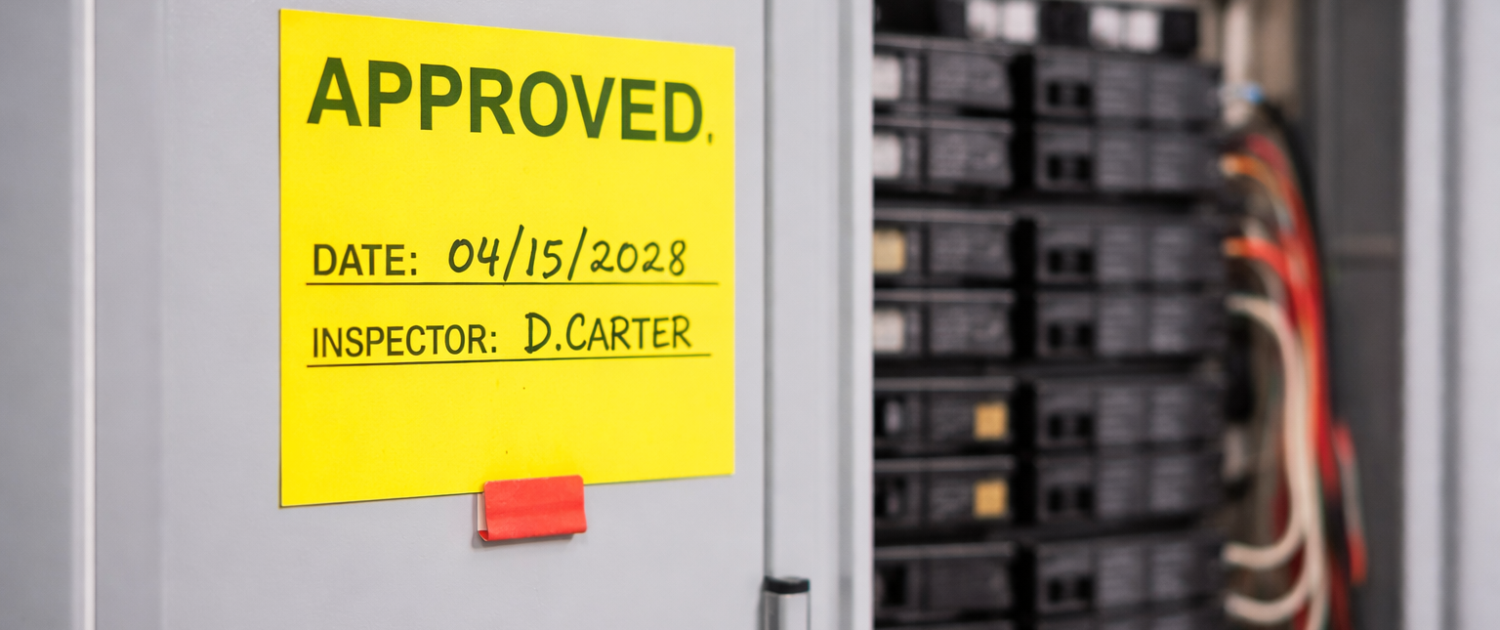
Municipal inspections confirm minimum code compliance, but they do not replace a comprehensive, buyer-focused home inspection.
What Inspectors Commonly Find During a New Construction Home Inspection
Even well-built homes can have items that benefit from correction before possession. New-construction inspections frequently identify:
- Incomplete or uneven attic insulation coverage
- Exterior grading or drainage concerns around the foundation
- Improperly sealed penetrations at siding, roofing, or mechanical openings
- Plumbing leaks at fixtures or under sinks
- Missing or improperly installed safety devices
- General workmanship deficiencies that may affect durability or function
These types of concerns are often much easier for the builder to correct before the homeowner takes possession.
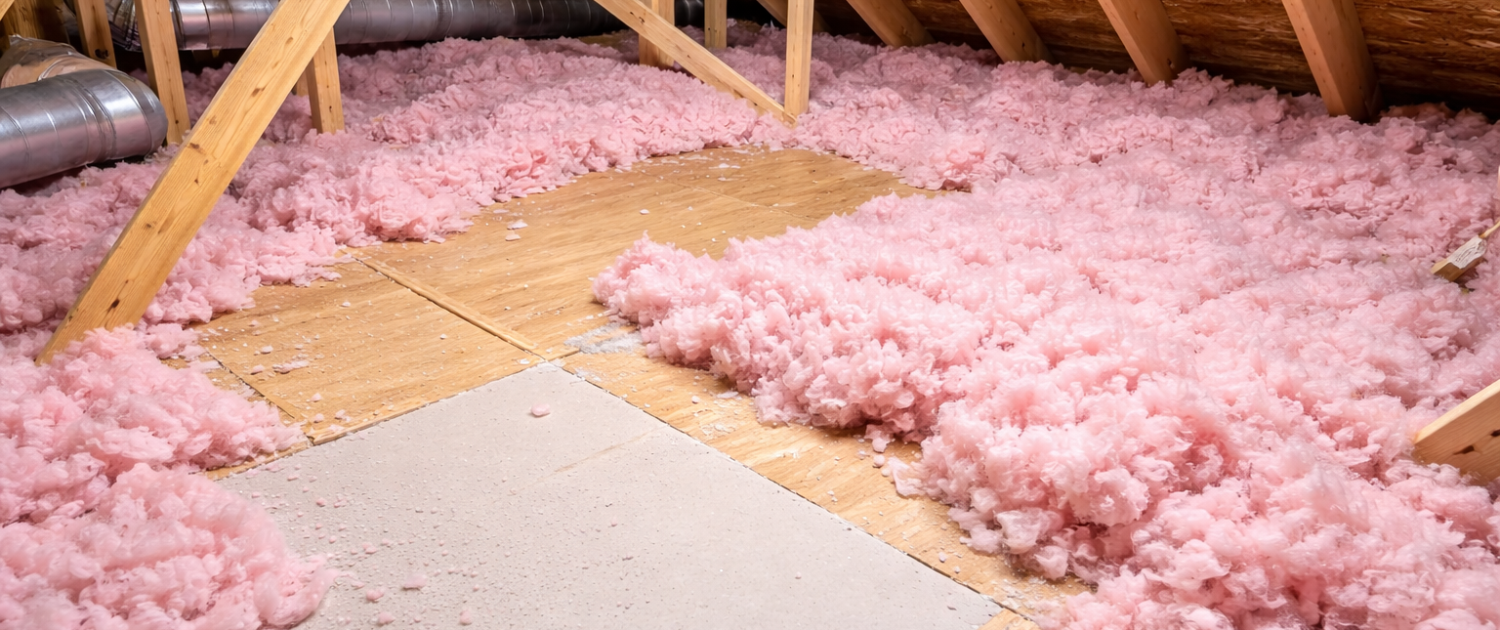
Uneven or incomplete attic insulation is a common finding in new homes and is often easier to address before possession.
What a New Construction Home Inspection Is Not
A professional home inspection is not a cosmetic punch list. Inspectors typically do not document small dings in walls, paint scuffs, or minor aesthetic imperfections. The focus is on installation quality, system functionality, safety, and workmanship concerns that may affect the home’s performance or longevity.
An inspection is also not a municipal code-compliance inspection. Instead, it is an independent evaluation performed from the buyer’s perspective to help them better understand the condition of the property they are about to own.
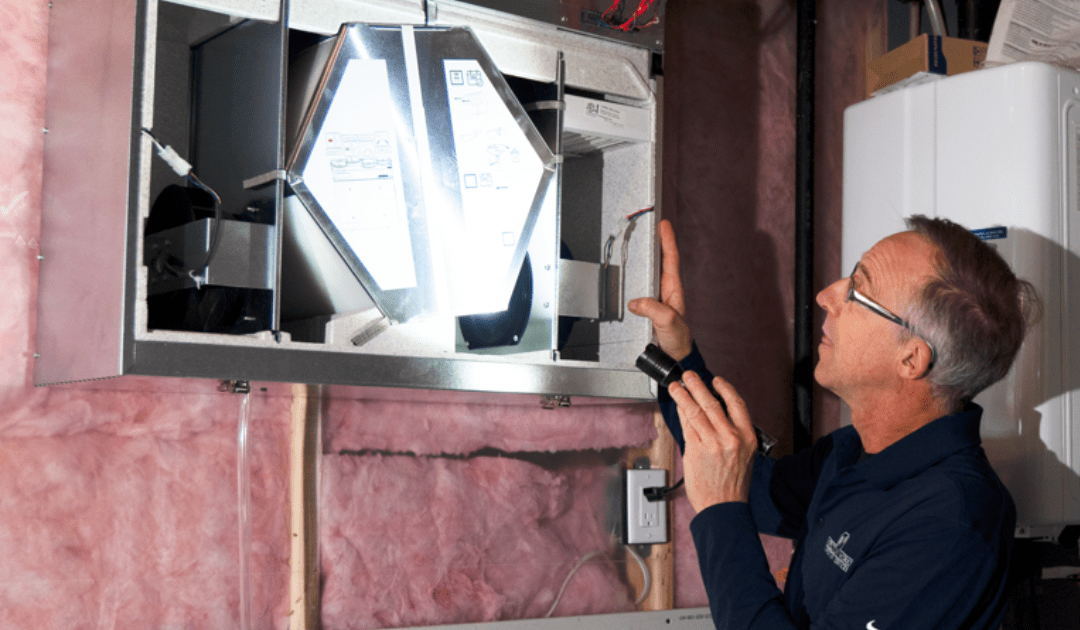
Home inspections focus on system performance and workmanship, not on minor cosmetic details such as small wall blemishes.
When to Schedule a New Construction Home Inspection
Buyers often do not realize that inspections can take place at several stages of construction. Depending on the project and builder policies, common inspection timing may include:
- Pre-possession / pre-closing inspection: A full evaluation of the completed home before closing
- End-of-warranty (11-month) inspection: Identifies concerns that may have developed during the first year of occupancy
- Optional phase inspections: Foundation, framing, or pre-drywall inspections where permitted
Learn more about the Alberta new home warranty
Planning inspection timing early helps ensure there are no surprises close to possession.

Builders who support independent inspections demonstrate transparency and confidence in the homes they deliver.
The Financial Advantage of Inspecting Before Closing
Addressing concerns before possession is often simpler and faster than managing warranty claims later. Before closing:
- Builders’ trades are still mobilized and readily available
- Corrections can often be completed quickly
- Documentation of the home’s condition is established prior to possession
- Buyers avoid spending time navigating post-occupancy warranty processes
A relatively small investment in an inspection can help prevent delays, frustration, and unexpected repair coordination after move-in.
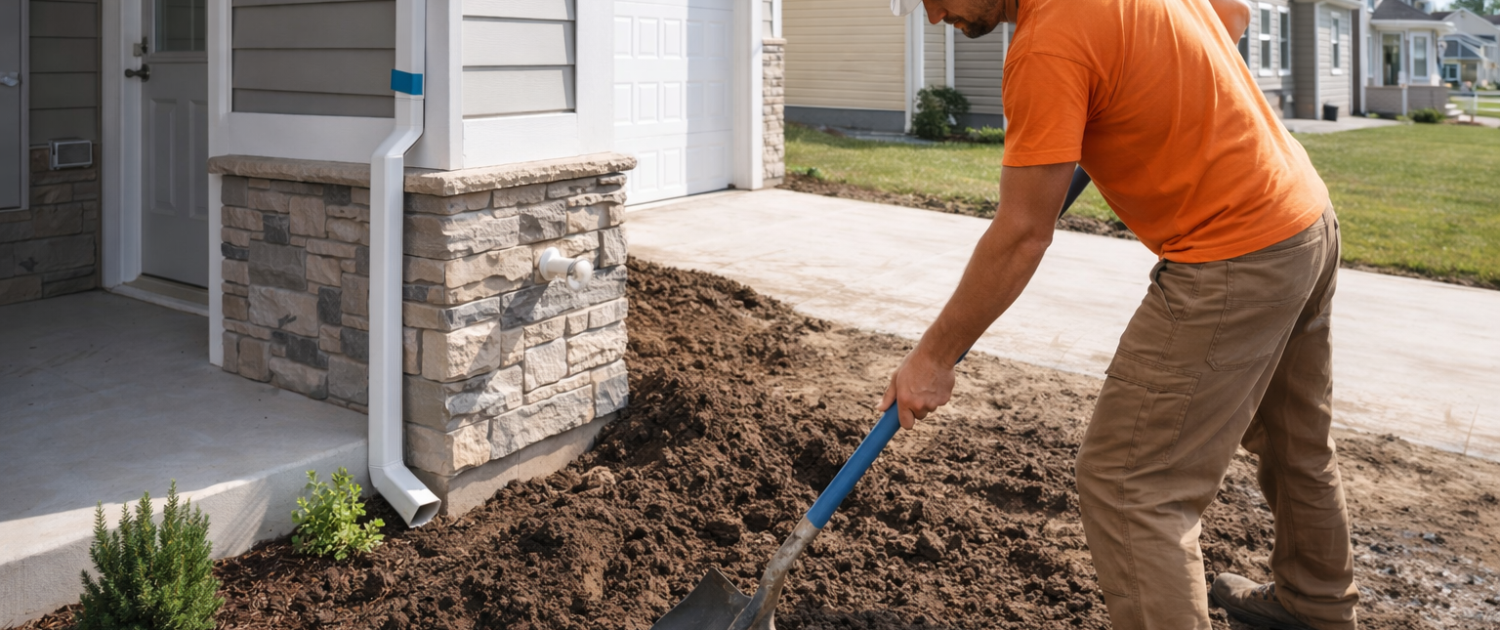
Items identified before closing are often quicker and easier for builders to correct while trades are still on site.
Builder Confidence and Transparency
Builders who are confident in their product often welcome independent inspections. Allowing a third-party professional to review the home demonstrates transparency and pride in the finished work. It also provides an opportunity to identify and correct small issues early, helping ensure a smoother possession experience for both the builder and the buyer.
When inspection rights are discussed early and clearly written into the purchase agreement, expectations are aligned from the beginning of the construction process.
What Buyers Should Do Before Signing a Build Contract
Before committing to a new-construction purchase, buyers should:
- Ask the builder what their independent inspection policy is
- Confirm inspection rights are included in the purchase contract
- Plan inspection timing early so scheduling is straightforward
- Work with builders who support transparency and independent verification
Clarifying these points early prevents misunderstandings later in the process.
Peace of Mind for Buyers
A new-build inspection is not about assuming something is wrong. It is about providing independent confirmation that the home was completed as expected. For most buyers, a home purchase represents their largest financial investment. A professional inspection provides:
- Documentation of the home’s condition before possession
- A clear list of items to discuss with the builder
- Confidence that key systems and installations were independently reviewed
Read CMHC guidance on buying a home in Canada

An independent inspection helps buyers take possession of their new home with confidence and clarity.
The Bottom Line
Even new homes can have installation oversights or workmanship concerns. An independent inspection helps ensure buyers receive the quality they expect while giving builders an opportunity to demonstrate confidence in the homes they deliver.
If you are building a home, plan your inspection timeline early so there are no surprises before possession.
New Construction Home Inspection FAQ
Do I need a home inspection on a brand-new house?
Yes. New homes are built by multiple trades working on tight schedules, and installation oversights can occur. An independent inspection provides a buyer-focused review of workmanship, installation quality, and functional concerns before closing.
Can a builder refuse to allow an independent inspection?
Builder policies vary. Buyers should confirm inspection rights before signing the purchase contract and ensure the right to obtain an independent inspection is written into the agreement.
What is the best time to schedule a new-build inspection?
The most common time is before possession or closing, when any identified concerns can still be corrected by the builder. Many homeowners also schedule an end-of-warranty (11-month) inspection to identify items that developed during the first year.
What does a new-construction inspection include?
A new-build inspection typically evaluates:
-
Roofing, exterior, and drainage conditions
-
Attic insulation and ventilation
-
Plumbing fixtures and visible piping
-
Electrical systems and safety devices
-
Heating and cooling equipment operation
-
General workmanship affecting durability or function
Will an inspector document cosmetic issues like paint scuffs or small dents?
No. Home inspections are not cosmetic punch lists. Inspectors focus on installation quality, safety, and performance-related workmanship concerns rather than minor aesthetic imperfections.
Doesn’t the city already inspect the home?
Municipal inspections verify that certain construction stages meet minimum building code requirements. They are not comprehensive buyer-focused inspections and do not evaluate the finished home in the same way an independent inspection does.
What happens if problems are found before closing?
Items identified during a pre-possession inspection can usually be reviewed with the builder and addressed before possession, when trades are still available and corrections are easier to complete.
Is a new-home inspection still helpful if the home comes with a warranty?
Yes. An inspection documents the home’s condition at possession and helps homeowners identify items to address with the builder while warranty coverage is in effect.
Should I tell the builder I am planning an inspection?
Yes. Inform the builder early and schedule the inspection according to their site-access policies. Discussing inspection plans early in the process helps ensure smooth coordination near closing.
How much does a new-build inspection typically cost?
 Waldon Works Ltd.